Weed & Wanderlust: The 2024 State-by-State Cannabis Law Cheat Sheet for Travelers
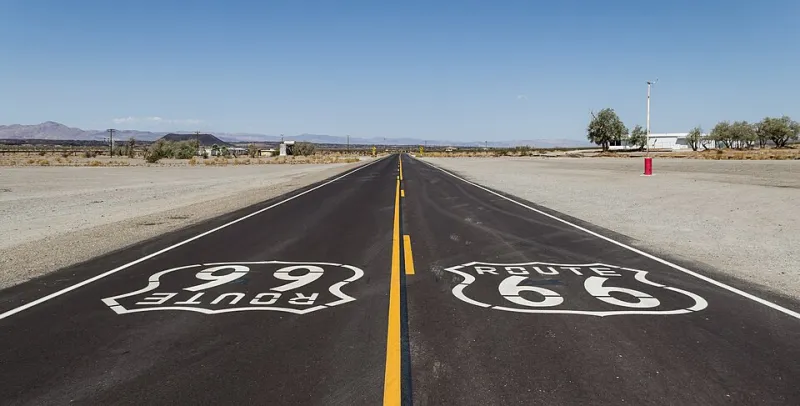
Photo: Dietmar Rabich, CC BY-SA 4.0, via Wikimedia Commons
America's cannabis map looks like a quilt sewn by fifty different people who've never met. Some states will sell you a gummy at the airport gift shop (okay, not quite, but close). Others will hand you a misdemeanor for a single joint. And the space between those two realities? That's where a lot of well-meaning cannabis consumers get into trouble they never saw coming.
Whether you're doing a summer road trip through the Southwest, relocating from a legal state to one that isn't, or just trying to figure out what the rules are in the state you're flying into, this guide is your starting point. Bookmark it, screenshot the relevant sections, and for the love of all things green — read it before you travel.
Legal disclaimer: Cannabis laws change fast. This guide reflects the landscape as of mid-2024, but always verify current regulations through official state government sources before traveling. AllWeed does not provide legal advice.
The Big Picture: Where Things Stand in 2024
As of this writing, 24 states plus Washington D.C. have legalized recreational cannabis for adults 21 and older. Another 14 states have comprehensive medical programs. That leaves roughly 12 states where cannabis remains fully or largely criminalized — mostly concentrated in the South and parts of the Midwest.
But legalization doesn't mean uniformity. Even within legal states, the rules around possession limits, home cultivation, public consumption, and where you can purchase vary dramatically. A tourist buying legally in Colorado can't legally bring that purchase into Utah. A medical patient with a card from Florida won't have that card recognized in most other states. The details matter enormously.
Fully Legal States: The Green Zone
These states have active adult-use recreational programs. Residents and visitors 21+ can purchase from licensed dispensaries without a medical card.
Quick-Reference: Key Recreational States
California
- Possession limit: 1 oz flower, 8g concentrate
- Home cultivation: Up to 6 plants per person
- Public consumption: Prohibited (designated lounges exist in some cities)
- Notes: Largest legal market in the world; dispensary options are extensive
Colorado
- Possession limit: 1 oz flower
- Home cultivation: Up to 6 plants (3 flowering) per person, max 12 per household
- Public consumption: Prohibited in most areas; licensed consumption spaces exist
- Notes: First state to legalize; mature, competitive market with strong testing standards
Nevada
- Possession limit: 1 oz flower, 3.5g concentrate
- Home cultivation: Up to 6 plants per person if you live more than 25 miles from a dispensary
- Public consumption: Prohibited — notably strict enforcement in Las Vegas tourist areas
- Notes: Dispensaries near the Strip are tourist-friendly but know that hotel rooms are technically private property, not public — though hotel policies vary
Michigan
- Possession limit: 2.5 oz flower in public, 10 oz at home
- Home cultivation: Up to 12 plants per household
- Public consumption: Prohibited
- Notes: One of the most generous possession and home-grow allowances in the country
New York
- Possession limit: 3 oz flower, 24g concentrate
- Home cultivation: Up to 6 plants (3 mature) per person, 12 per household
- Public consumption: Allowed in any place where tobacco smoking is permitted
- Notes: Retail rollout has been slow; legal market still expanding significantly
Illinois
- Possession limit: 30g flower for residents, 15g for out-of-state visitors
- Home cultivation: Residents only, up to 5 plants
- Notes: One of the few states with different possession rules for visitors versus residents — know which category you're in
Other recreational states include: Alaska, Arizona, Connecticut, Delaware, Maine, Maryland, Massachusetts, Minnesota, Missouri, Montana, New Jersey, New Mexico, Ohio, Oregon, Rhode Island, Vermont, Virginia, Washington State, and Washington D.C. (where sales are still technically prohibited despite legalization — a D.C. quirk worth knowing).
Medical-Only States: You Need a Card
These states have legal cannabis, but access requires a valid medical marijuana card issued by that state or, in some cases, a state with a reciprocity agreement.
Florida — One of the largest medical markets in the country. No reciprocity with other states' cards. Smokable flower is legal but was a legislative battle. Watch this space: a recreational amendment was on the 2024 ballot.
Pennsylvania — Solid medical program; no home cultivation permitted. Recreational legalization has been a persistent legislative conversation.
Texas — Extremely limited program (Compassionate Use Program) covering only low-THC cannabis for specific conditions. Functionally, Texas remains prohibitionist for the vast majority of residents.
Georgia, Alabama, Mississippi — Minimal medical frameworks with significant restrictions. For practical travel purposes, treat these as prohibition states unless you have very specific qualifying conditions.
Still Illegal: Know Before You Go
The following states have no legal cannabis framework for recreational or broad medical use as of 2024: Idaho, Wyoming, Kansas, Nebraska, North Carolina, South Carolina, Tennessee, Indiana. Possession in these states carries real criminal penalties ranging from fines to jail time depending on quantity and circumstances.
Idaho deserves special mention for travelers doing Pacific Northwest road trips. It's completely surrounded by legal states (Oregon, Washington, Nevada, Montana) but remains one of the strictest prohibition states in the country. Do not travel through Idaho with cannabis product from any neighboring state.
The Interstate Travel Problem: Federal Law Is Still Federal Law
This is the part that trips people up most often, and it's non-negotiable: cannabis is still federally illegal under the Controlled Substances Act. That means:
- You cannot legally transport cannabis across state lines — even between two fully legal states. Driving from Oregon to Washington with legal Oregon cannabis is technically a federal crime.
- Flying with cannabis is federally prohibited. The TSA operates under federal jurisdiction. While TSA agents are primarily focused on security threats and not drug enforcement, they are required to refer cannabis discoveries to law enforcement. Airport police then apply local law — which is why some airports in legal states (like LAX) have historically taken a more relaxed approach while others do not.
- Federal lands — national parks, national forests, interstate highways on federal land — are all subject to federal law regardless of the state they're in. This catches hikers and campers off guard regularly.
Common Traps for Cannabis Travelers
1. Assuming your home state's medical card travels with you. Most states do not offer reciprocity for out-of-state medical cards. Check explicitly before assuming your card means anything in a new state.
2. Purchasing in a legal state and driving through an illegal one. This is where road trippers get burned. Plan your route. If you're driving from Colorado to California, the most direct route passes through Nevada (legal) but some routes skirt through states that are not.
3. Consuming in a rental car or hotel room. Both are generally prohibited by the rental/hotel agreement and potentially by law depending on the state. Violations can mean steep fees or, in stricter states, legal exposure.
4. Exceeding possession limits as a tourist. Some states, like Illinois, cap visitor possession lower than resident possession. Know which rules apply to you.
5. Buying from unlicensed sources in legal states. The illicit market still operates even where cannabis is legal. Unlicensed sales are illegal everywhere, and unregulated products lack safety testing.
Tips for Staying Informed as Laws Keep Changing
The cannabis legal landscape shifts constantly — state ballot measures, legislative sessions, and court decisions all move the needle. Here's how to stay current:
- NORML's state law page (norml.org) maintains regularly updated state-by-state breakdowns
- Your destination state's official government website will have the authoritative current rules
- AllWeed's Laws & Advocacy section — we'll keep updating this guide as major changes roll out
- Follow local cannabis advocacy organizations in states you're visiting; they track changes in real time
The Bottom Line for Cannabis Travelers
The good news: more Americans than ever can access legal cannabis, and the trend line is clearly pointed toward broader legalization. The complicated news: the current patchwork means that what's totally fine in one zip code is a criminal offense in the next county over.
Travel smart. Research before you go. Keep your consumption within legal boundaries, respect local rules even when you disagree with them, and support the advocacy organizations working to make this map a whole lot simpler for all of us. The green wave is real — it just hasn't reached every shore yet.