Sip, Swirl, Inhale: How to Read Your Weed's Flavor Like a Pro
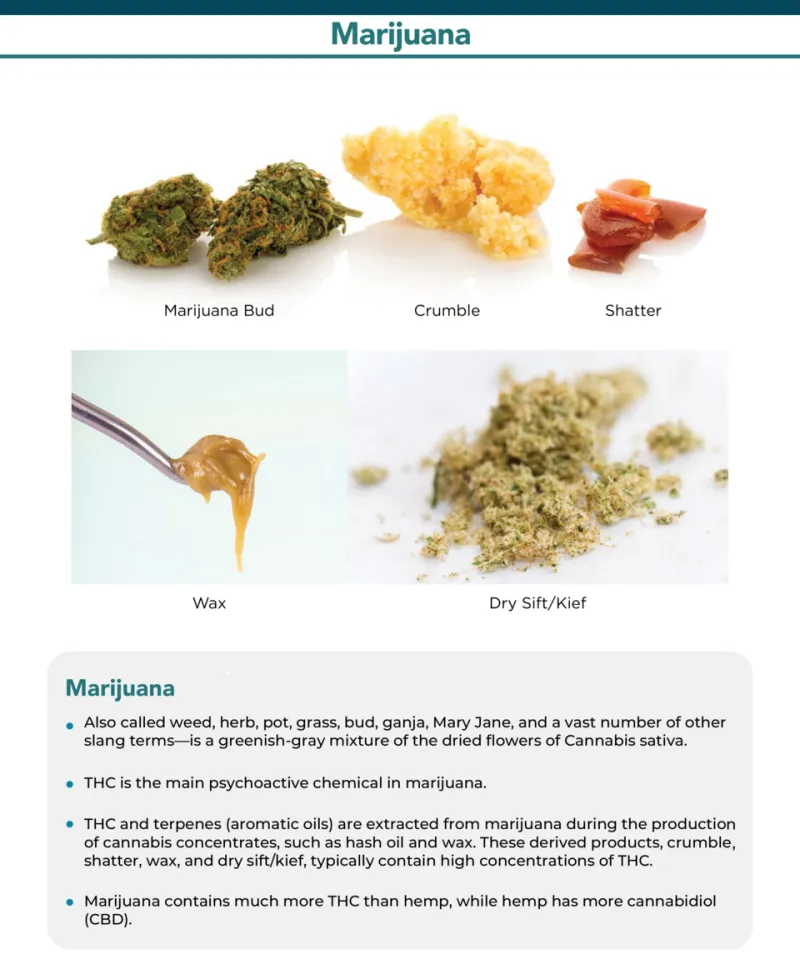
Photo: Centers for Disease Control and Prevention, Public domain, via Wikimedia Commons
You've probably ripped a bowl, exhaled, and thought, wait — is that blueberry? Maybe you shrugged it off as placebo or clever strain marketing. But that fruity flash on your tongue is absolutely real, and it's telling you something meaningful about what you just smoked. Cannabis flavor isn't random. It's chemistry — specifically, it's terpenes, cannabinoids, and growing conditions doing a full symphony inside your mouth and nose. Once you understand how to listen, the whole experience gets a lot more interesting.
Wine culture has spent centuries developing a vocabulary for flavor. Cannabis deserves the same treatment. And honestly? The flavor profiles are just as layered, just as nuanced, and sometimes just as pretentious — but in the best possible way.
Why Weed Has Flavor in the First Place
Let's get a little nerdy for a second, because it's worth it. The flavor of cannabis comes primarily from terpenes — the aromatic compounds found in the plant's trichomes. These aren't unique to weed; terpenes show up in lavender, citrus peel, black pepper, pine trees, and a thousand other plants. What makes cannabis special is the sheer density and variety of terpenes it can produce, often in combinations you won't find anywhere else in nature.
Some of the heavy hitters you'll encounter:
- Myrcene — earthy, musky, a little fruity. Super common. Think ripe mango or damp soil.
- Limonene — bright citrus, lemon zest, occasionally grapefruit. Energizing on the nose.
- Linalool — floral, almost like lavender. Soft and a little sweet.
- Caryophyllene — spicy, peppery, sometimes woody. It's the one that makes you sneeze.
- Pinene — exactly what it sounds like. Fresh pine, herby, clean.
- Terpinolene — complex and layered: floral, herbaceous, sometimes fruity.
Cannabinoids like THC and CBD also contribute to the overall sensory experience, though more through effect than taste. The interplay between cannabinoids and terpenes — what researchers call the entourage effect — shapes not just your high but your entire sensory encounter with the plant.
Setting Up Your Tasting Session
Here's where the connoisseur stuff actually starts. You wouldn't sip a $60 bottle of natural wine while watching TV and eating Doritos. Same principle applies here — if you want to actually taste your cannabis, you need to give it a fair shot.
Choose your method wisely. Dry herb vaporizers are generally the best tool for flavor exploration. They heat cannabis at lower temperatures than combustion, preserving more of the delicate terpene profile. Combustion (i.e., smoking) is still totally valid, but some of those subtle high notes burn off before they reach your palate. If you're serious about flavor, a quality vaporizer is a worthwhile investment.
Clear your palate first. Drink some water. Avoid coffee or strong food for 30 minutes before. Your sense of smell is doing a lot of the heavy lifting here — about 80% of what we perceive as taste actually comes through olfactory receptors. Don't handicap yourself.
Smell before you consume. Break apart a small nug and inhale slowly. What hits you first? Is it sharp and citrusy? Earthy and damp? Sweet like berries or candy? That's your top note — the most volatile terpenes announcing themselves first. Then breathe out slowly and notice what lingers. That's your base note, usually something deeper and woodier.
Take a small, slow hit. Hold it briefly, then exhale through your nose if you can tolerate it. Pay attention to the retronasal experience — the flavor that blooms as the vapor travels back up through your nasal cavity. This is where the magic happens.
Let it sit. Wait a few seconds after exhaling. The aftertaste (or finish, if we're being fancy) can reveal notes that weren't obvious on the inhale.
Building a Flavor Vocabulary
The cannabis industry has been slow to standardize flavor language, but the Cannabis Wheel — modeled loosely on the wine aroma wheel — is gaining traction. It organizes flavor descriptors into categories like earthy, floral, fruity, spicy, and chemical, with subcategories branching outward.
Some flavor profiles you'll commonly encounter, and the strains associated with them:
Berry & Fruit Forward Strains like Blueberry, Zkittlez, and Runtz lean heavily into sweet, fruity profiles. Myrcene and linalool often dominate here, sometimes with a candy-like quality that comes from terpinolene. These tend to be crowd-pleasers and pair beautifully with desserts — think dark chocolate, fruit tarts, or a good vanilla ice cream.
Citrus & Bright High-limonene strains like Super Lemon Haze, Tangie, and Lemon Tree hit with an unmistakable zing. The flavor is clean, almost refreshing. These are excellent morning or early afternoon strains and pair well with lighter foods — fresh salads, citrus-dressed fish, or even a sparkling water with lemon.
Earthy & Herbal Classic strains like OG Kush, Sour Diesel, and Afghan Kush fall into this camp. The flavors are grounding — think forest floor, fresh herbs, maybe a little diesel or rubber (in a good way, somehow). These pair well with savory foods: roasted meats, aged cheeses, mushroom dishes.
Floral & Soft Strains high in linalool — Lavender, Do-Si-Dos, Amnesia Haze — offer a delicate, almost perfumey experience. These are the ones that smell like your grandmother's garden and taste like a spa day. They're lovely alongside herbal teas, honey, or light pastries.
Spicy & Complex Caryophyllene-dominant strains like Girl Scout Cookies, Bubba Kush, and White Widow bring warmth and depth. There's a reason some of these smell faintly like black pepper or cloves — that's the caryophyllene doing its thing. Pair these with bold, rich foods: red wine reductions, dark roast coffee, charcuterie boards.
Tips for Developing Your Palate Over Time
Like any sensory skill, cannabis flavor appreciation gets sharper with practice. A few habits that'll accelerate the process:
Keep a tasting journal. It sounds extra, but writing down your impressions right after a session builds your flavor memory faster than anything else. Note the strain, the method, the top notes, the finish, and how the experience evolved over time.
Compare side by side. Try two strains back to back (with water and time in between). The contrast makes subtle differences much more obvious.
Train your nose separately. Smell individual terpene isolates if you can find them, or just start sniffing things more intentionally — fresh herbs, citrus peel, pine needles, black pepper. The more reference points you build, the easier it becomes to identify those notes in cannabis.
Talk about it with other people. Flavor perception is partly subjective and partly social. Discussing what you're tasting — even if you sound ridiculous describing your weed as having "notes of fresh linen and forest floor" — actually reinforces your sensory vocabulary.
The Bottom Line
Cannabis is a sensory experience, not just a delivery system for THC. When you start paying attention to flavor, you start making better choices — better strain picks, better consumption methods, better pairings. You also just enjoy the whole thing more. That blueberry note in your bowl isn't marketing fluff. It's the plant telling you exactly what's in it, if you know how to listen.
So next time you crack open something new from your stash, slow down. Smell it. Taste it. Think about it. Your weed has a lot to say.