From Decarb to Dinner Plate: Mastering Cannabis Cuisine the Right Way
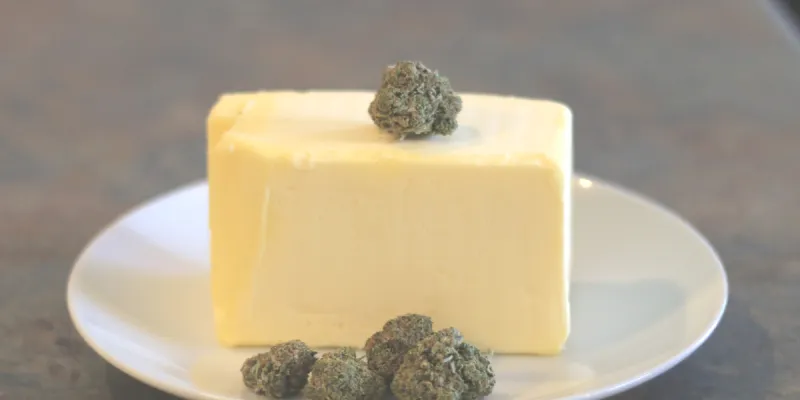
Photo: cannabis infused cooking herbs butter kitchen professional, via cdn.shopify.com
There's a version of cannabis cooking that lives in every college dorm memory — dense, vaguely green brownies that hit too hard three hours later. Then there's the version that's actually worth talking about: thoughtfully infused dishes where the cannabis complements the food, the dosing makes sense, and the whole experience feels intentional rather than accidental.
The gap between those two versions comes down to technique. And the good news? The techniques aren't that complicated once you understand what's actually happening at a chemical level.
Why Decarboxylation Is Non-Negotiable
Raw cannabis flower contains THCA and CBDA — the acidic precursors to THC and CBD. These compounds won't get you lifted or deliver the therapeutic effects most people are after. To activate them, you need heat. That process is called decarboxylation, and skipping it is the number one reason homemade edibles disappoint.
For most home cooks, the standard approach works well: spread your ground cannabis in a single layer on a parchment-lined baking sheet and bake at around 240°F for 40 minutes. Low and slow is the rule here. Crank the temperature too high and you'll start burning off terpenes — the aromatic compounds responsible for flavor and a good chunk of the nuanced effects that make different strains interesting.
If you're working with a strain you genuinely love — something with a terpene profile that smells like lemon zest or fresh pine — consider dropping the temperature to 220°F and extending the time to 60 minutes. You'll preserve more of those aromatics, which matters a lot when you're trying to build a dish that actually tastes good.
Infusion Methods: Picking the Right Vehicle
Once your cannabis is decarbed, you need a fat or alcohol-based medium to extract the cannabinoids. THC and CBD are fat-soluble, which is why butter and oils have been the classic choice forever.
Cannabutter remains the most versatile option for baking and general cooking. Combine your decarbed cannabis with unsalted butter and a small amount of water in a slow cooker or double boiler, hold the temperature between 160–180°F for two to three hours, then strain through cheesecloth. The water helps regulate temperature and pulls out some of the chlorophyll that makes cannabis taste harsh.
Cannabis-infused olive oil is a better fit for savory applications — think finishing oil drizzled over pasta, a base for salad dressing, or the fat you use to sauté vegetables. Use a light touch with heat during the infusion process. Olive oil has a lower smoke point than refined coconut oil or clarified butter, so keep your infusion temperature conservative.
Coconut oil has become a favorite in the cannabis cooking community because of its high saturated fat content, which binds cannabinoids efficiently. It's also solid at room temperature, making it easy to measure and store.
For tinctures and alcohol-based extractions, high-proof grain alcohol (Everclear is the go-to in states where it's legal) can pull cannabinoids quickly and cleanly. These work beautifully in cocktails, sauces, and anywhere you'd add a splash of something boozy.
Temperature Control: The Part Most People Ignore
Here's where amateur cannabis cooking falls apart — and where professional-level technique separates itself. Cannabinoids degrade at high temperatures. THC starts breaking down significantly above 300°F, converting to CBN, which has a much more sedative profile. This isn't always bad, but it's something you should be controlling intentionally rather than discovering by accident.
For baked goods, keep your oven at or below 325°F when using cannabutter or infused oil. For stovetop cooking, avoid adding your infused fat during high-heat phases. Instead, finish dishes with it — stir cannabutter into a sauce off the heat, or drizzle infused olive oil over a plated dish just before serving.
Sous vide cooking has genuinely transformed the cannabis kitchen for enthusiasts who want precision. A sous vide immersion circulator lets you infuse butter or oil at an exact, consistent temperature (typically around 185°F) for several hours without any guesswork. If you're serious about this, it's worth the investment.
Flavor Pairing: Making Cannabis Taste Like It Belongs
This is the part that elevates cannabis cooking from functional to genuinely delicious. Cannabis has a complex flavor profile driven by its terpenes, and those terpenes have real culinary affinities.
Myrcene, one of the most common terpenes, has earthy, herbal, slightly fruity notes — it pairs naturally with mushrooms, thyme, mango, and dark chocolate. Limonene is bright and citrusy, which makes it a natural partner for lemon tarts, vinaigrettes, and anything with fresh herbs. Pinene, which smells like a forest, works beautifully alongside rosemary, sage, and conifer-forward dishes.
When you're planning a cannabis-infused dish, think about the strain you're using the same way you'd think about a fresh herb. What does it smell like? What flavors echo those aromatics? Build the dish around that rather than trying to mask the cannabis entirely.
Dosing: The Non-Negotiable Conversation
No cannabis cooking guide is complete without a real talk about dosing, because this is where things go sideways for a lot of people.
A standard edible dose for most adults is considered to be between 5–10mg of THC. Start there, especially if you're cooking for people who aren't daily consumers. The golden rule of edibles applies to homemade infusions too: start low, go slow, and give it at least two hours before deciding you need more.
Calculating potency in homemade infusions requires some math. Most dispensary flower in the US tests somewhere between 15–25% THC. A gram of flower at 20% THC contains roughly 200mg of THC — but you'll lose some during decarboxylation and infusion. A realistic extraction efficiency is around 60–80%, so plan for approximately 120–160mg of active THC per gram of flower in your finished infusion.
Divide that total by the number of servings your recipe makes, and you'll have a rough per-serving dose. Err on the side of conservative portions. You can always eat more; you can't un-eat what's already in your system.
Three Dishes Worth Trying
Roasted Garlic & Herb Cannabutter Crostini — Whip softened cannabutter with roasted garlic, fresh thyme, and a pinch of flaky salt. Spread on toasted sourdough. Simple, impressive, and easy to dose since each crostini gets a measured amount of butter.
Lemon-Cannabis Olive Oil Pasta — Finish a simple pasta (cacio e pepe style works beautifully) with a teaspoon of cannabis-infused olive oil per serving, fresh lemon zest, and cracked pepper. The bright citrus plays off limonene-forward strains perfectly.
Dark Chocolate Cannabis Bark — Melt high-quality dark chocolate, stir in a measured amount of cannabis coconut oil, pour onto parchment, and top with sea salt and toasted hazelnuts. Score into equal pieces once set for consistent dosing.
The Bigger Picture
Cooking with cannabis is a legitimate culinary skill — one that rewards the same curiosity and attention that makes someone good at cooking in general. When you understand why decarboxylation matters, how fat extraction works, and how to respect the temperature sensitivity of cannabinoids, you stop making accidental food and start making intentional food.
That shift in mindset is what separates the memorable cannabis dinner party from the one everyone regrets. Know your ingredients, respect the process, and the kitchen becomes one of the best places to explore everything this plant has to offer.