Smell That? How Terpenes Are the Real Secret Behind Your Favorite Weed
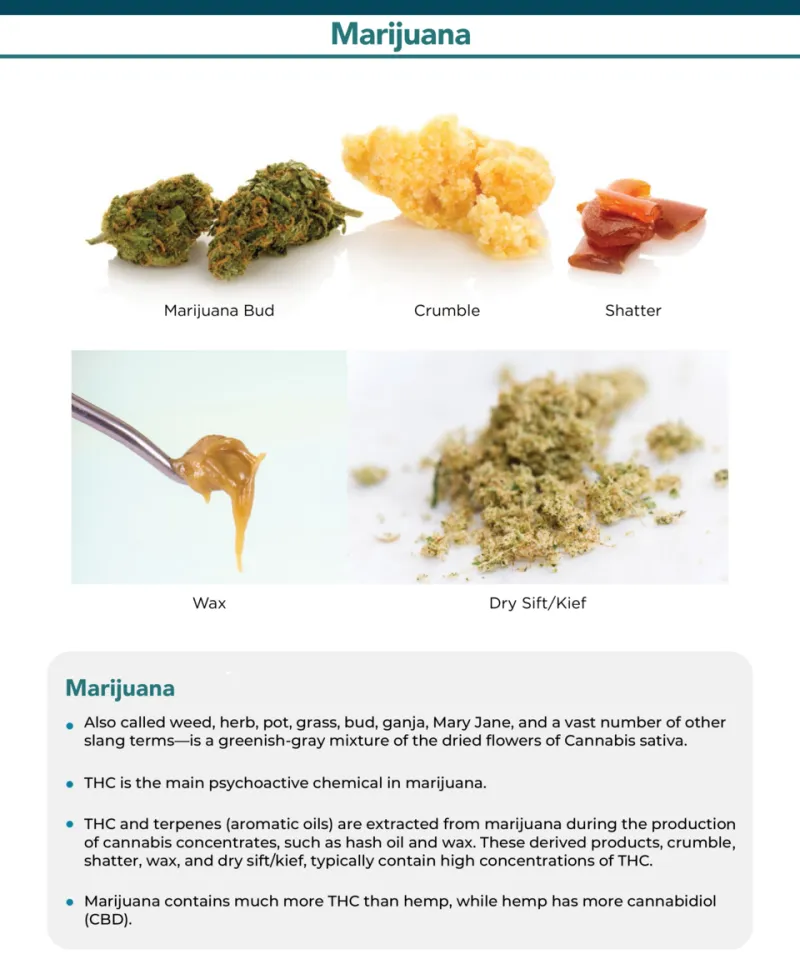
Photo: Centers for Disease Control and Prevention, Public domain, via Wikimedia Commons
Let's be honest: most of us picked our first few strains based on vibes. Maybe the name sounded cool, or the budtender gave it a confident nod, or the THC percentage just looked impressive on the label. But if you've been in the cannabis world long enough, you've probably noticed something weird — sometimes a 28% THC flower leaves you feeling flat, while a mellow 18% strain has you floating through your afternoon like you're in a lo-fi playlist made flesh.
So what gives?
The answer, more often than not, is terpenes. And once you understand them, you'll never shop for weed the same way again.
What Even Are Terpenes?
Terpenes are aromatic compounds found in — well, pretty much everything in nature. Lavender, pine trees, citrus peels, hops, black pepper. They're the reason your kitchen smells incredible when you zest a lemon or crush fresh rosemary between your fingers.
In cannabis, terpenes are produced in the same glands that make cannabinoids like THC and CBD. They give each strain its distinct scent and flavor — that skunky funk, that sweet tropical punch, that earthy forest-floor vibe. But here's the part that really matters: researchers believe terpenes don't just smell nice. They may actively influence how cannabinoids interact with your body and brain, a phenomenon often called the entourage effect.
In plain terms? Terpenes might be co-pilots in your high.
The Heavy Hitters: Common Terpenes You'll Actually Encounter
Dispensary menus are getting more sophisticated by the day, and many now list terpene breakdowns right alongside cannabinoid percentages. Here are the ones you're most likely to run into:
Myrcene
Myrcene is the most abundant terpene in commercial cannabis, and you've almost certainly encountered it. It smells earthy, musky, and a little bit like ripe mangoes. Strains heavy in myrcene tend to lean sedating — think "couch-lock" territory. If you're chasing deep relaxation or trying to wind down after a brutal work week, myrcene-forward strains are your friends. OG Kush and Blue Dream are classic examples.
Limonene
As the name suggests, limonene smells bright and citrusy — like someone just peeled a clementine in a sunlit room. It's associated with mood elevation and stress relief, and some users swear it gives them a creative, uplifted headspace. If you're looking for something to pair with a creative project or a social hangout, reach for strains with limonene leading the charge. Strains like Lemon Haze or Super Lemon OG often feature it prominently.
Pinene
Pinene smells exactly like you'd expect — fresh pine, like hiking through a Pacific Northwest forest after rain. There are two types (alpha and beta), but both are associated with mental alertness and focus. Some people find pinene-rich strains help counteract the memory fog that can come with THC. It's a solid pick if you want to stay sharp while still catching a buzz.
Caryophyllene
Here's a wild one: caryophyllene is the only terpene known to interact directly with the body's endocannabinoid system, specifically CB2 receptors. It's spicy and peppery — think cracked black pepper or cloves. It's often linked to stress relief and anti-inflammatory properties. If you're using cannabis for physical discomfort or general tension, this one deserves your attention. Strains like Girl Scout Cookies and Sour Diesel tend to carry it.
Linalool
Linalool is the terpene responsible for lavender's iconic scent, and it shows up in certain cannabis strains too. Calming, floral, and slightly sweet, it's heavily associated with relaxation and anxiety relief. If your relationship with cannabis is more therapeutic than recreational, linalool-heavy strains might align perfectly with what you're after.
Terpinolene
A bit of a wildcard, terpinolene has a complex scent — floral, herby, and a little piney all at once. It's less common but tends to appear in strains that produce uplifting, energetic effects. Jack Herer is a famous example. Great for daytime use when you want to feel alive without feeling wired.
How to Read a Lab Report (Without Getting a Headache)
If you're buying from a licensed dispensary in a legal state, lab reports — also called Certificates of Analysis (COAs) — should be available for every product. They're usually accessible via a QR code on the packaging or through the dispensary's website.
Here's what to look for when you're hunting for terpene info:
- Total Terpene Percentage: A good starting point. Anything above 1% is considered reasonably terpene-rich. Top-shelf flower can hit 3-4% or higher.
- Individual Terpene Breakdown: Look for a section that lists specific terpenes and their concentrations, usually in percentages or mg/g. The terpenes listed highest are the most dominant and will have the most influence on your experience.
- The Dominant Terpene: Many consumers use the top one or two terpenes as a shorthand for predicting effects. It's not a perfect science, but it's a solid starting point.
Pro tip: if a product doesn't have any terpene data, that's worth noting. It might mean it was tested at a less rigorous facility, or the product is older and terpenes have degraded.
Matching Terpene Profiles to Your Desired Experience
Think of terpene shopping like building a playlist for your mood. Here's a quick cheat sheet:
Want to chill out and sleep? Look for high myrcene and linalool. Indica-leaning strains often feature these prominently.
Want creative energy and a mood boost? Limonene and terpinolene are your go-tos. Pair with a sativa or hybrid and a good creative project.
Need focus without the fog? Pinene-rich strains may help keep your head clear. Great for work-from-home days when you want a little lift.
Dealing with stress or physical tension? Caryophyllene and linalool are both worth exploring, especially if you're looking for something that feels more therapeutic.
Just want a complex, interesting smoke? Hunt for strains with diverse terpene profiles — multiple terpenes working together often creates the most nuanced, enjoyable experience.
A Note on Product Labels
Not every product will give you a full lab breakdown, especially edibles, vape carts, or concentrates made from distillate (which strips out terpenes during processing and then reintroduces them — sometimes from non-cannabis sources). If you're buying a vape cart and the label just says "terpenes added," it's worth asking your budtender where those terpenes came from.
For flower, terpene degradation is real — heat, light, and time all break them down. Buy from dispensaries with good product turnover, store your stash in airtight containers away from light, and try to consume within a few months of purchase for peak terpene expression.
The Takeaway
THC percentages are a starting point, not the whole story. The cannabis experience is a full symphony, and terpenes are some of its most important instruments. Learning to read them — on lab reports, on product labels, even just with your nose — puts you in the driver's seat of your own experience.
Next time you're at the dispensary, take a second before you grab whatever has the highest number on the sticker. Ask to smell the flower. Check the terpene profile. Think about what kind of afternoon you actually want to have.
Your nose knows more than you think.