Morning After the Sesh: The Science Behind Cannabis Hangovers (And How to Actually Recover)
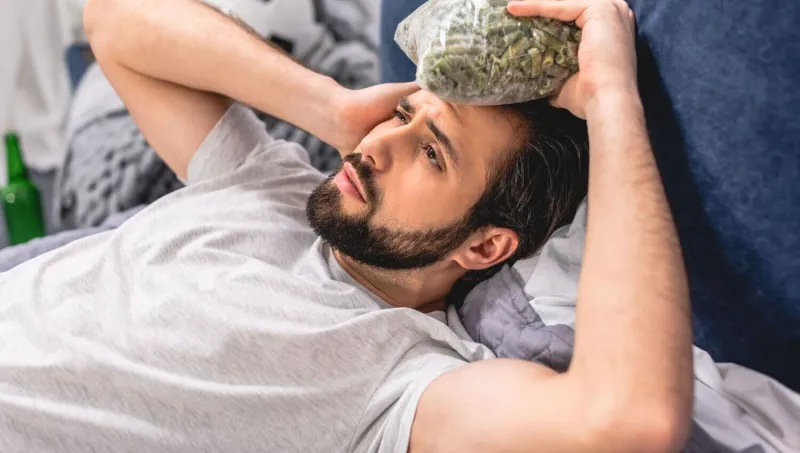
Photo: person tired groggy morning after drinking water cannabis, via sanctuarywellnessinstitute.com
You crushed a Friday night smoke session, slept like a rock, and then woke up Saturday morning feeling like your brain was wrapped in a wool blanket. Your mouth is drier than the Mojave, your eyes are at half-mast, and the idea of doing literally anything feels like an Olympic event. Sound familiar?
For years, the conventional wisdom was that weed doesn't leave you hanging the way alcohol does. No headache, no nausea, no regret spiral—just vibes. But ask anyone who's overindulged on a strong edible or torched a few too many bowls the night before, and they'll tell you a different story. Cannabis hangovers are real, they're more common than people admit, and they deserve a serious conversation.
So What Actually Is a Cannabis Hangover?
Unlike the alcohol hangover—which has a well-documented physiological playbook involving dehydration, acetaldehyde toxicity, and inflammatory responses—the cannabis version is a bit more nuanced. Researchers are still piecing together the full picture, but here's what we know so far.
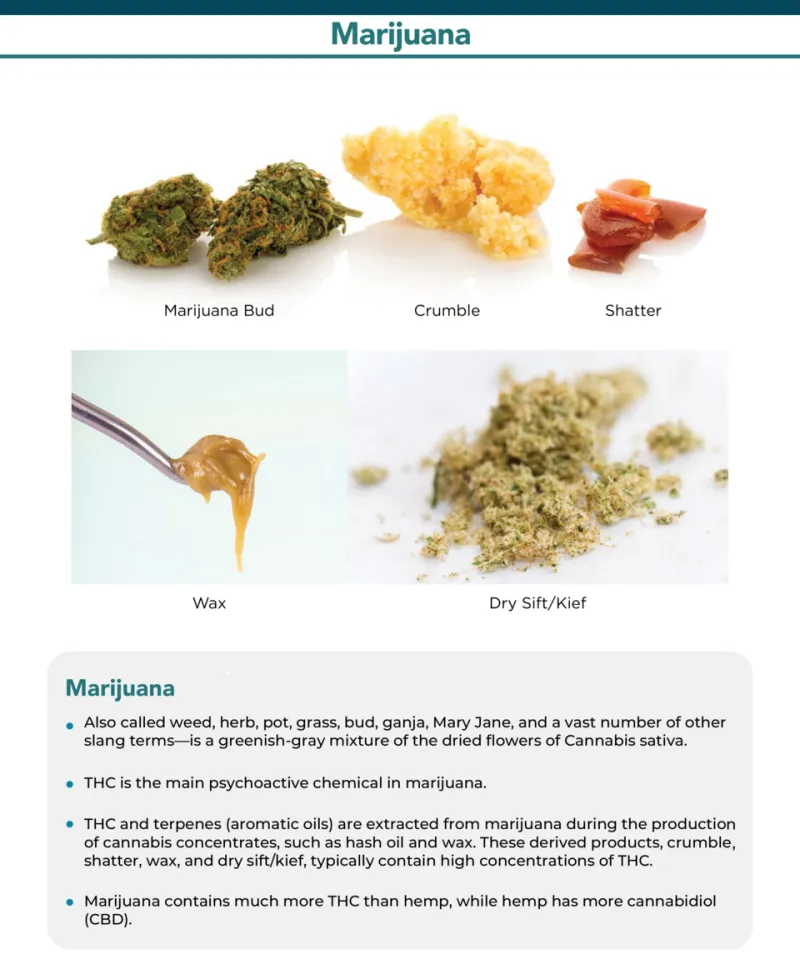
THC, the primary psychoactive compound in cannabis, binds to CB1 receptors throughout your brain and central nervous system. When you consume a large amount, your endocannabinoid system essentially gets flooded. Once the acute high fades, residual THC metabolites can linger in your system—particularly in fatty tissues—and continue to exert subtle effects on cognition and alertness. That's the brain fog you're feeling.
A small but notable 1985 study published in Drug and Alcohol Dependence was one of the first to formally document the morning-after phenomenon, showing that participants who smoked cannabis the night before performed worse on behavioral tasks the following morning compared to a placebo group. More recent research has echoed these findings, noting that residual impairment—particularly in memory retrieval and processing speed—can persist well past the point where users feel subjectively sober.
Dr. Jordan Tishler, a Harvard-trained physician and cannabis specialist based in Boston, has spoken publicly about what he calls "the morning-after drag." According to Tishler, the issue often comes down to dose and timing. "People tend to underestimate how long THC continues to affect neurological function," he's noted in interviews. "Especially with edibles, where onset is delayed and duration is extended, the tail end of that experience can bleed well into the next day."
The Most Common Symptoms (And Why They Happen)
Let's break down what you're actually dealing with:
Brain fog and fatigue: Residual cannabinoid activity in areas of the brain associated with memory and executive function—namely the hippocampus and prefrontal cortex—can leave you feeling mentally sluggish. If you also disrupted your REM sleep (more on that in a sec), you're compounding the problem.
Dry mouth and dehydration: Cannabis inhibits saliva production by binding to receptors in the submandibular glands. This isn't technically dehydration in the clinical sense, but the dry, pasty mouth feeling is very real and can make you feel worse overall.
Grogginess and slow reaction time: High-potency products—especially concentrates and strong edibles—can push sedation levels high enough to affect sleep architecture. THC is known to suppress REM sleep, which is the restorative stage most associated with cognitive function and emotional processing. Less REM means you wake up feeling like you barely slept, even if you logged eight hours.
Mild headache: Less common but reported by some users, often linked to dehydration, sinus dryness from smoking, or a drop in blood pressure that sometimes follows heavy use.
Myths Worth Busting
Before we get to solutions, let's clear the air on a few things people get wrong about cannabis hangovers.
Myth #1: Only lightweights get them. Nope. Experienced consumers who push their dose too high or switch to a more potent product than usual are just as susceptible. Tolerance affects the intensity of the high, not necessarily how your body metabolizes residual THC.
Myth #2: CBD cancels it out. While CBD does modulate some of THC's effects—particularly anxiety—it's not a magic antidote. A CBD product the morning after might take the edge off, but it won't neutralize the underlying pharmacological lag.
Myth #3: Sweating it out works. Your body doesn't meaningfully eliminate THC through sweat. Metabolites are processed primarily by the liver and excreted through urine and feces. Going for a run won't flush your system any faster.
How to Actually Prevent One
The most effective strategy is boring but true: dose management. Keeping your consumption within a range that delivers the experience you want without overshooting into heavy sedation territory is the single biggest factor in how you feel the next morning.
A few practical moves:
- Mind the clock. If you're consuming edibles, aim to finish at least four to five hours before you plan to sleep. This gives peak effects time to pass before your head hits the pillow, reducing the chance of REM disruption.
- Hydrate before, during, and after. Keep water nearby during your session. Electrolyte drinks like Liquid I.V. or a simple coconut water before bed can help offset the dry-mouth spiral.
- Choose your product wisely. High-THC concentrates and mega-dosed edibles are the most common culprits. If you're consuming on a night when you need to be sharp the next morning, lower-potency flower or a balanced THC:CBD ratio product is a smarter call.
- Go easy on the combo. Mixing cannabis with alcohol dramatically increases the likelihood of feeling rough the next day. Alcohol speeds up THC absorption and compounds sedation effects.
Recovery Mode: What Actually Helps
Already in the fog? Here's what AllWeed readers swear by—and what actually has some science behind it:
Water and electrolytes first thing. Before coffee, before anything. Rehydrating helps with the dry-mouth misery and gives your body what it needs to keep processing metabolites.
A real breakfast. Blood sugar stabilization matters. Eggs, avocado toast, a smoothie with protein—anything that gives your brain some glucose to work with.
Light movement. A gentle walk or some easy stretching increases blood flow and can help shake off the cognitive cobwebs. Nothing intense—you're recovering, not punishing yourself.
Caffeine, carefully. Coffee can help counteract grogginess, but if you're already anxious or your heart rate is elevated from last night, go easy. Green tea is a gentler option.
Give it time. Honestly, for most people, the cannabis hangover resolves within a few hours of waking up, especially after food and hydration. It rarely lingers past early afternoon.
The Bottom Line
Cannabis hangovers don't get talked about enough, partly because the culture has long leaned into the idea that weed is consequence-free. And compared to alcohol, it largely is—but "largely" isn't "completely." Being honest about the morning-after experience doesn't make you anti-cannabis; it makes you a smarter consumer.
Know your dose, respect the clock, hydrate like it's your job, and choose your products with intention. Your Saturday self will thank you.