After the Buzz Fades: Understanding the Emotional Crash That Follows a Cannabis Session

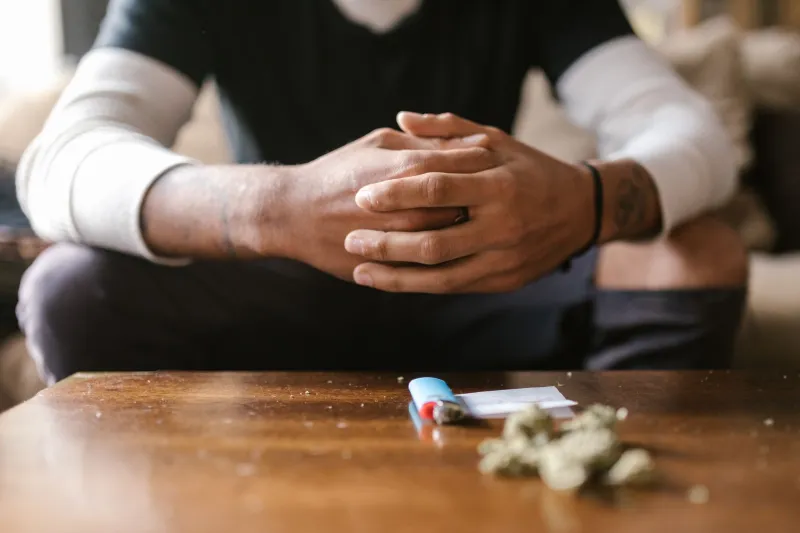
You had a great night. Maybe it was a couch session with some Blue Dream and a documentary, or a social smoke with friends on a back porch somewhere. The high was smooth, the vibes were right. Then morning — or even just a few hours later — rolls in and something feels off. You're irritable. Flat. A little hollow. The world that felt warm and interesting now just feels kind of... gray.
This isn't a character flaw. It's not a sign you smoked too much (well, sometimes it is, but not always). What you're experiencing is a real, documented neurochemical shift — and understanding it is the first step to actually managing it.
What's Going On Inside Your Brain
When THC enters your system, it binds to cannabinoid receptors throughout your brain, triggering a cascade of feel-good chemistry. Dopamine — the neurotransmitter most associated with reward, motivation, and pleasure — gets a significant nudge upward. Your brain's endocannabinoid system, which normally handles mood regulation on its own, essentially gets a guest speaker who talks way louder than everyone else in the room.
Here's the catch: your brain is always trying to maintain equilibrium. When dopamine spikes, your brain compensates by dialing back its own natural production. Receptor sensitivity can also temporarily decrease. So when the THC clears and the guest speaker leaves, your brain's in-house chemistry is running a little low — and you feel it.
For some people, this dip is barely noticeable. For others — especially heavy or frequent consumers — it can feel like a legit emotional crash. Irritability, low motivation, mild sadness, or just that familiar emotional flatness are all part of the same story.
Why It Hits Some People Harder
Brain chemistry is wildly individual. Two people can smoke from the same joint and come down completely differently. A few factors that play into this:
Your baseline dopamine levels. People who already run low on dopamine (which can be associated with depression, ADHD, or just genetic variation) may feel the post-high dip more sharply because there's less cushion to fall back on.
How much you consumed. Bigger sessions mean bigger neurochemical swings. The higher the peak, the more noticeable the valley can be.
How often you consume. Regular, heavy use over time can blunt your brain's natural dopamine response — meaning your baseline mood without cannabis may gradually shift lower. This is reversible, but it takes intention.
Sleep quality. THC suppresses REM sleep. Even if you feel like you slept fine, the quality might not be there — and poor sleep is one of the fastest routes to next-day emotional instability.
Your stress load going in. Cannabis can temporarily quiet anxiety, but it doesn't resolve underlying stress. When the high lifts, whatever you were carrying is often still right there waiting.
The Practical Stuff That Actually Helps
Let's skip the generic "drink water and get some rest" advice and get into what genuinely moves the needle.
Move Your Body — Even a Little
Physical exercise is one of the most effective ways to naturally restore dopamine and serotonin levels. You don't need a CrossFit class. A 20-minute walk, some light stretching, or a slow bike ride around the neighborhood can meaningfully shift your mood within an hour. Exercise stimulates endorphin release and helps your brain's reward system recalibrate. Think of it as giving your neurochemistry a gentle reboot.
Eat Something Real
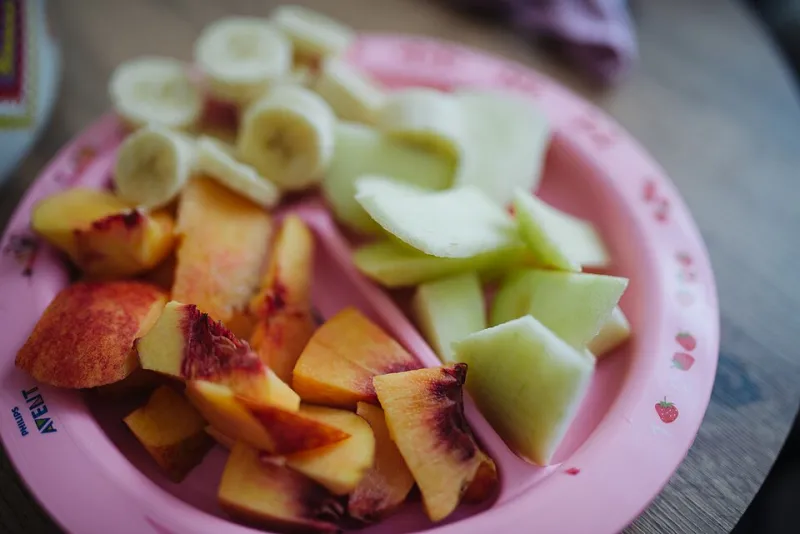
Post-session nutrition matters more than most people realize. Dopamine synthesis depends on amino acids — particularly tyrosine, found in foods like eggs, chicken, almonds, and bananas. Skipping meals or eating mostly processed junk after a session can leave your brain without the raw materials it needs to bounce back. A solid, protein-forward meal isn't just comfort food — it's literally feeding your recovery.
Get Some Sunlight
Sunlight exposure triggers serotonin production and helps regulate your circadian rhythm, both of which directly impact mood. Even 15 minutes outside in natural light — especially in the morning after a nighttime session — can make a noticeable difference. This is especially relevant in winter months when seasonal mood dips can compound the post-high slump.
Lean Into Social Connection (The Right Kind)
Isolation after a session can deepen the emotional flatness. If you're feeling low, reaching out — even a low-stakes text thread with a friend — can help. Human connection activates oxytocin pathways that support emotional regulation. You don't have to explain yourself or talk about being in a funk. Just being in contact with people you like tends to help.
Time Your Sessions Intentionally
One underrated strategy: think about when you consume, not just what you consume. Evening sessions that bleed into late nights can stack sleep deprivation on top of the natural neurochemical dip. Consuming earlier in the evening, giving yourself time to come down before bed, and protecting your sleep window can significantly reduce the next-day emotional toll.
Consider Your Strain and Format
High-THC, low-CBD products can hit harder and drop faster. CBD has demonstrated some capacity to moderate THC's effects and may support a smoother comedown. Strains with more balanced cannabinoid profiles — or adding a CBD product to your routine — might be worth experimenting with if emotional crashes are a recurring thing for you. Edibles, with their longer duration, can also extend the neurochemical swing in ways that make the landing bumpier.
When It's More Than Just a Comedown
If post-session emotional crashes are happening consistently and severely — or if you notice your overall baseline mood has shifted over months of regular use — that's worth paying attention to. There's a meaningful difference between a mild mood dip after a session and a pattern that's affecting your daily life.
This isn't about judging anyone's relationship with cannabis. It's about being honest with yourself. If the lows are outweighing the highs, adjusting your consumption habits or talking to a healthcare provider isn't weakness — it's just smart self-care. Cannabis is a tool, and like any tool, how you use it shapes the results you get.
The Bigger Picture
The cannabis experience doesn't end when the high does. What happens in the hours after a session is part of the full picture — and for a lot of people, it's the part nobody warned them about. Understanding your own neurochemistry, building in recovery habits, and consuming with a little more intention can completely change how cannabis fits into your life.
You deserve the whole experience to feel good — not just the peak.