Feed the High: What Your Body Is Really Asking For When the Munchies Strike
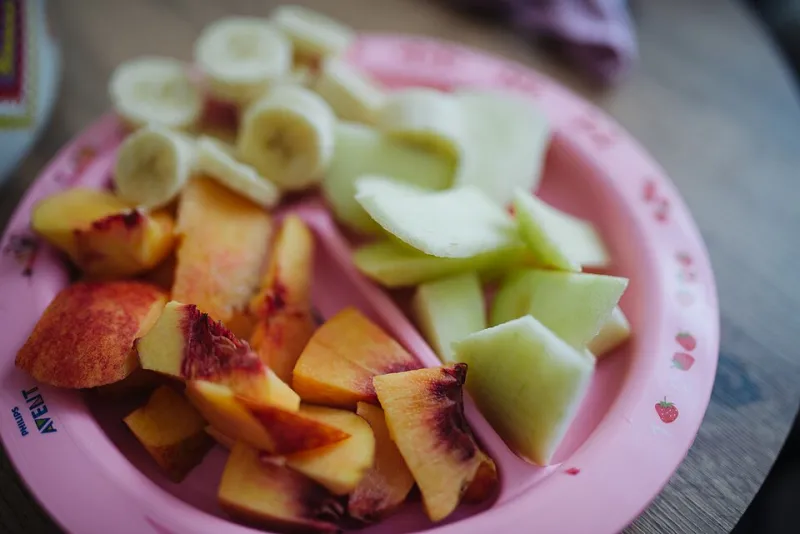
Photo: Shixart1985, CC BY 2.0, via Wikimedia Commons
You've just finished a solid session. The couch has claimed you. Suddenly, the refrigerator is basically sending you a personal invitation. Sound familiar? The munchies are one of cannabis's most universally relatable side effects — and also one of the most misunderstood. Because here's the thing: your body isn't just being dramatic. There's real science behind that hunger, and once you understand it, you can actually work with it instead of waking up surrounded by empty chip bags and regret.
Let's break down what's going on — and build a real-deal meal plan around it.
Why Weed Makes Everything Taste Like a Religious Experience
THC, the compound most responsible for that familiar euphoric lift, has a surprisingly intimate relationship with the part of your brain that regulates hunger. When THC binds to CB1 receptors in the hypothalamus, it essentially hijacks your appetite signaling system. Your brain starts pumping out more ghrelin — the hormone that tells you you're hungry — even if you ate an hour ago.
But it doesn't stop there. THC also enhances your olfactory sensitivity, meaning smells hit harder and flavors register more intensely. That's why leftover Tuesday-night pasta suddenly tastes like something from a Michelin-starred kitchen. Your dopamine response to eating also gets amplified, turning every bite into a small celebration. Basically, cannabis temporarily turns your body into a machine optimized for enjoying food.
The metabolic side of this is worth paying attention to, too. Cannabis can cause a mild drop in blood sugar, which is part of why cravings tend toward sweet, salty, and calorie-dense foods. Your body is reading that signal and responding accordingly — it wants quick energy, comfort, and lots of it.
The Case for Actually Eating Well During a Session
Look, nobody's here to shame a bag of Takis. But if you're consuming cannabis regularly — for wellness, recreation, or both — what you eat during that window genuinely matters. Food affects how your high feels, how long it lasts, and how you feel the next day. Fatty acids, for instance, bind to cannabinoids and can extend or intensify effects. Certain nutrients support the endocannabinoid system itself, helping your body produce its own natural cannabinoids more efficiently.
There's also the recovery angle. A post-sesh meal that includes protein, complex carbs, and healthy fats stabilizes blood sugar, supports neurotransmitter production, and helps your body process everything more smoothly. You're not just feeding a craving — you're actually doing something good for yourself.
Build Your Munchies Pantry Before You Need It
The secret to eating well when you're high is preparation. Nobody's making smart food choices when they're deep in a couch lock and the closest thing in the kitchen is a sleeve of Oreos. Stock your pantry ahead of time with options that hit the craving sweet spots and bring some nutritional value to the table.
Sweet cravings: Medjool dates stuffed with almond butter, dark chocolate (70% or higher — the bitterness actually tastes incredible when your palate is heightened), frozen mango chunks, or a jar of natural peanut butter you can eat by the spoon without judgment.
Salty cravings: Popcorn you can season yourself (nutritional yeast is a game-changer here), roasted chickpeas, seaweed snacks, or good-quality cheese with whole-grain crackers.
Umami cravings: Miso soup packets — just add hot water, wildly satisfying and surprisingly grounding. Edamame with sea salt. A can of quality sardines if you're feeling adventurous (sounds weird, tastes incredible, loaded with omega-3s that actually support endocannabinoid function).
Hydration: This one gets overlooked constantly. Cannabis dries you out. Keep sparkling water, coconut water, or herbal tea within reach. Dehydration makes everything feel worse, including the tail end of a high.
The Actual Meal Plan
Here's how to think about building a real post-session meal depending on what kind of night you're having.
The Chill Night In: Go for a grain bowl situation. Cook a big batch of brown rice or farro on Sunday. During the week, heat it up and pile on whatever's in the fridge — roasted sweet potato, avocado, a fried egg, some hot sauce, maybe a handful of arugula. It sounds boring until you're high, and then it tastes like the best decision you've ever made. The complex carbs stabilize your blood sugar, the fat from avocado supports cannabinoid absorption, and the protein from the egg keeps you full without making you feel like you swallowed a brick.
The Social Sesh: Mezze spread. Hummus, pita, sliced veggies, olives, some feta, maybe a handful of walnuts. It's easy to throw together, it's meant for grazing, and every individual component is genuinely nutritious. The variety also works in your favor — when everything tastes more intense, having multiple flavors to cycle through keeps things interesting.
The Late-Night Solo Session: Smoothie. Hear us out. Blend frozen banana, a scoop of peanut butter, some oat milk, a handful of spinach (you literally cannot taste it), and a square of dark chocolate. It takes four minutes, it hits the sweet craving hard, and you're getting potassium, healthy fats, fiber, and magnesium — which also happens to support sleep, relevant if you're winding down for the night.
The Morning-After Move: If you consumed edibles or had a longer session the night before, your appetite might feel strange in the morning. Start gentle — a banana, some toast with almond butter, or a simple egg scramble. Replenish electrolytes if you feel off. Coconut water or even a sports drink can help. Avoid going straight for caffeine on an empty stomach; it tends to amplify any lingering anxious feelings.
One More Thing: Listen to the Signal
Here's the part that doesn't get talked about enough. The munchies aren't the enemy of a healthy cannabis lifestyle — they're a signal. Your endocannabinoid system is deeply tied to hunger, metabolism, and how your body regulates energy. When THC activates those pathways, it's amplifying something that's already there.
For people dealing with appetite loss due to illness, stress, or certain medications, that's actually a therapeutic benefit. For the rest of us, it's a window — a moment where eating feels genuinely enjoyable, where flavors pop and textures register, where sitting down with good food feels like the most natural thing in the world.
You might as well make it count. Stock the pantry. Plan ahead. And the next time your body starts sending signals from the kitchen, answer it with something that actually nourishes you. The Takis can stay — just maybe not as the only option.