Why Your Brain Feels Hollow After a Heavy Smoke Session (And What to Do About It)

Photo: Cynthia Magana cynthmag, CC0, via Wikimedia Commons
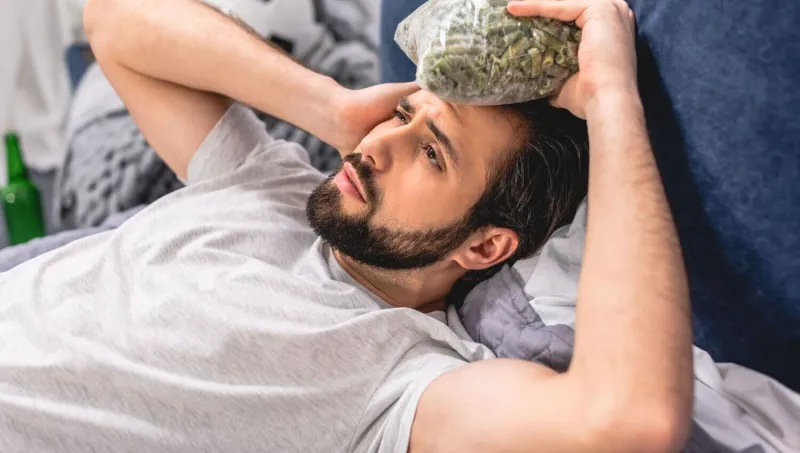
You know the feeling. The session was great — good company, good flower, good vibes. But the next morning, or even a few hours later, something feels off. The world looks a little grayer. Motivation has left the chat. Your couch feels like the only reasonable place to exist. You're not sick. You're not hungover in the traditional sense. But you're definitely not right.
This is what the cannabis community sometimes calls the "comedown" — and it's more than just tiredness. There's actual neuroscience behind it, and understanding what's happening inside your skull can genuinely change how you approach your consumption.
Your Brain's Reward System Is Kind of a Drama Queen
At the center of this whole experience is dopamine — the neurotransmitter your brain releases when something feels good. Sex, food, a perfect playlist, a cold drink on a hot day — dopamine is the chemical messenger that says, yeah, do that again.
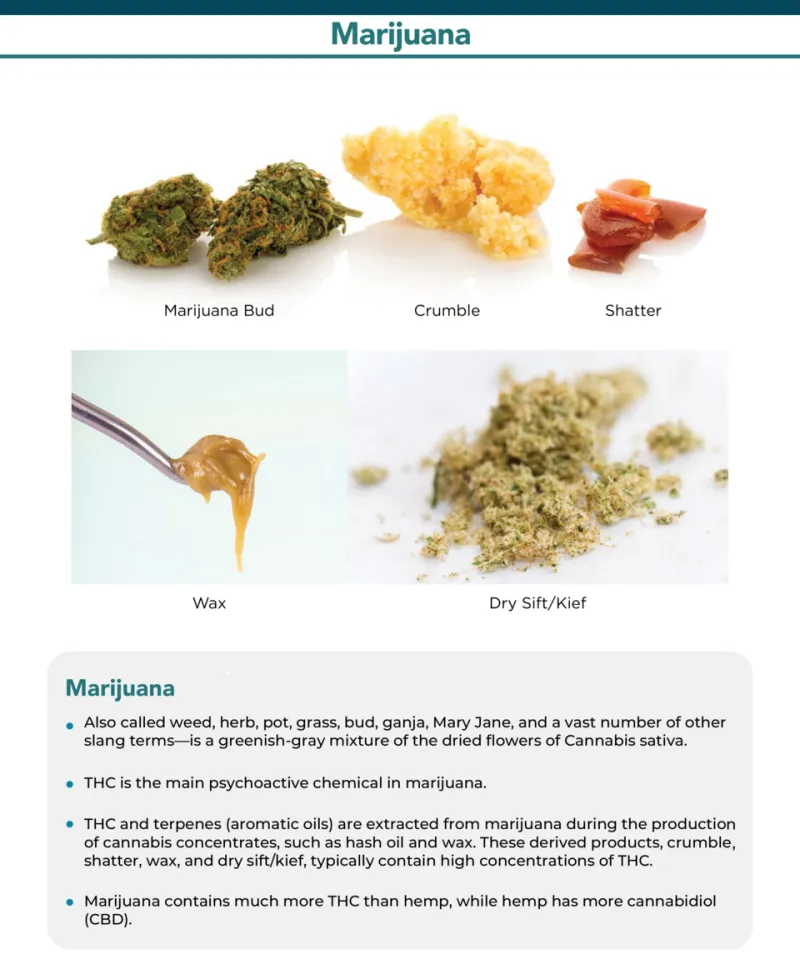
THC, the primary psychoactive compound in cannabis, triggers dopamine release indirectly by binding to CB1 receptors in the brain's endocannabinoid system. This flood of dopamine is a big part of why getting high feels pleasurable. But here's the catch: your brain is always trying to maintain equilibrium. When dopamine spikes unusually high, your brain compensates by temporarily dialing back its sensitivity to the stuff.
The result? Once the THC clears and that artificial dopamine surge fades, your baseline can feel lower than it did before you even sparked up. Things that normally bring small pleasures — a good meal, a funny meme, a conversation with a friend — might feel weirdly flat. That emotional hollowness has a name in neuroscience: anhedonia, or the reduced ability to feel pleasure. It's usually temporary, but it's real.
Tolerance Isn't Just About Getting Less High
Most regular consumers understand tolerance in simple terms: smoke more, feel less. But tolerance is a much deeper process than just needing more weed to catch a buzz.
Over time, frequent heavy use causes CB1 receptors to downregulate — meaning your brain actually reduces the number of available receptors and decreases their sensitivity. This is your nervous system trying to protect itself from overstimulation. The side effect of this adaptation, though, is that your natural endocannabinoid system — which plays a huge role in regulating mood, stress response, and emotional resilience — starts functioning below its baseline even when you aren't consuming.
This is why long-term heavy users sometimes report feeling anxious, irritable, or emotionally dulled during periods of abstinence. It's not purely psychological. The brain's internal chemistry has genuinely shifted. The good news: CB1 receptors begin recovering relatively quickly with a break — studies suggest meaningful receptor density restoration can happen within just a few weeks of reduced use.
The Emotional Crash Is Also About Expectations
Neuroscience aside, there's a psychological layer here that's worth sitting with. Cannabis, especially in a social or ritualistic context, often signals relaxation mode to your brain. It becomes associated with winding down, creativity, laughter, or relief from stress. Those associations are powerful.
When the session ends, your brain doesn't just lose the THC — it also exits that mental state you've conditioned it to associate with cannabis. If you've been using weed heavily as your primary stress management tool, your brain may not have many other pathways for reaching that same sense of ease. The absence of cannabis can feel louder than it should, not because you're dependent in a clinical sense, but because you haven't been exercising other emotional regulation muscles.
Think of it like this: if you only ever use one arm to carry groceries, the other arm gets weak. Weed can be a great tool — but if it's your only tool for unwinding or processing emotion, the comedown is going to hit differently.
Signs Your Consumption Cycle Might Need a Check-In
This isn't about shaming anyone's usage habits. Cannabis is legal across a growing number of U.S. states, and millions of Americans use it responsibly and joyfully. But part of being a thoughtful consumer is knowing when your patterns might be working against you. Ask yourself honestly:
- Do you feel noticeably worse emotionally on days you don't consume? Not just a little bored — genuinely irritable, anxious, or low?
- Has the amount you need to feel "normal" crept up over time?
- Are you using cannabis primarily to avoid uncomfortable feelings rather than to enhance good ones?
- Does the idea of taking a week off feel uncomfortable or anxiety-inducing?
None of these questions are accusations. They're data points. If several of them hit close to home, it might be worth experimenting with a tolerance break, cutting back on session frequency, or talking to a healthcare provider who's knowledgeable about cannabis — yes, those exist, and they're more common than ever as legalization spreads.
Practical Ways to Smooth Out the Comedown
You don't have to choose between enjoying cannabis and feeling emotionally stable. A few practical adjustments can make a noticeable difference:
Mind your THC-to-CBD ratio. High-THC products hit hard and fast but can amplify the dopamine rollercoaster. Products with meaningful CBD content tend to offer a smoother experience and a gentler landing. If your usual go-to is a 30%+ THC flower, consider mixing in a higher-CBD strain for your evening sessions.
Hydrate and eat real food. Cannabis affects blood sugar and can mess with your appetite cues. A nourishing meal and solid hydration before and after a session supports your body's recovery.
Move your body the next day. Exercise is one of the most effective natural dopamine regulators available. Even a 20-minute walk can meaningfully shift your mood after a heavy session.
Give your brain novelty. Dopamine responds to new experiences. If you're feeling flat, resist the urge to sit passively. Cook something new, call a friend, take a different route on your walk. Small novelty goes a long way.
Build in sober days intentionally. Not as punishment — as maintenance. Giving your endocannabinoid system regular breaks helps keep your baseline mood healthier and your tolerance in check.
The Bottom Line
Feeling emotionally drained or low after a heavy session doesn't mean cannabis is bad, or that you've done something wrong. It means you have a brain that's doing exactly what brains do — adapting to inputs and seeking balance. The more you understand that process, the more agency you have over it.
The best cannabis consumers are curious ones. Curious about what they're consuming, why they're consuming it, and how it's actually affecting them over time. That kind of self-awareness doesn't diminish the pleasure of a great sesh — it protects it.