Gym Bag or Grinder? The Truth About Mixing Cannabis and Cardio
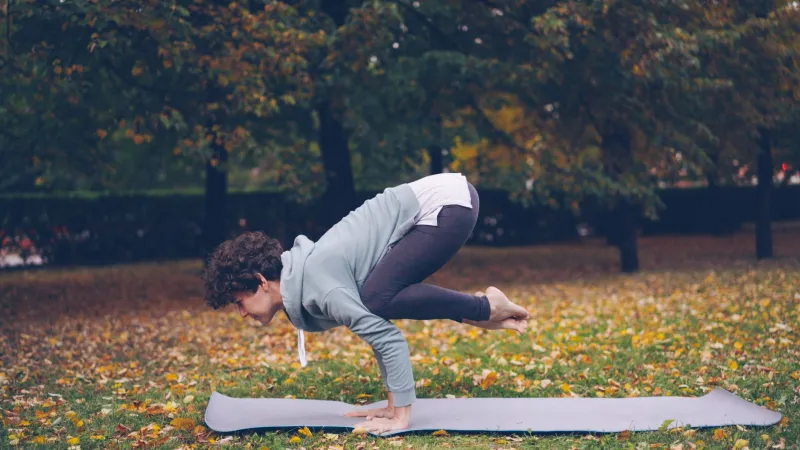
Walk into any CrossFit box in Denver or a running trail in Portland and you might be surprised how many athletes are quietly dosing before they hit it hard. Cannabis-enhanced workouts have gone from fringe experiment to genuine fitness subculture, with influencers, weekend warriors, and even some professional athletes vouching for the combination. The claims are compelling: better focus, less pain, more flow state, deeper mind-muscle connection.
But before you start treating your pre-roll like a pre-workout, it's worth slowing down and actually examining what's happening inside your body — because the story is messier than the testimonials suggest.
What Users Are Actually Experiencing
Let's start with the anecdotal side, because it's genuinely interesting. Plenty of cannabis users report that a low-to-moderate dose before exercise changes the texture of the experience entirely. Repetitive cardio — long runs, cycling, swimming — reportedly becomes more meditative. The monotony softens. The miles blur in a pleasant way.
For strength training, some users describe a heightened awareness of the muscle they're working, that coveted mind-muscle connection that coaches talk about. Others say it simply takes the edge off the psychological dread of a hard session, making it easier to actually show up and do the work.
Pain perception is another big one. THC is a known analgesic — it interacts with endocannabinoid receptors throughout the body in ways that can genuinely blunt the sensation of discomfort. For someone grinding through an injury or dealing with chronic soreness, that's not nothing.
The community around this practice is real, enthusiastic, and growing. Groups like cannabis-friendly yoga studios and "420 fitness" events have popped up across legal states. These aren't fringe weirdos — they're regular people who've found something that works for them and want to share it.
What the Science Is Actually Saying
Here's where it gets complicated. The research on cannabis and athletic performance is genuinely thin, partly because federal prohibition has made large-scale human studies difficult to conduct. What we do have paints a mixed picture at best.
Coordination and reaction time take a hit. THC reliably impairs fine motor coordination and slows reaction time — this is well-documented across dozens of studies. For activities that require precise movement, quick reflexes, or balance (think rock climbing, martial arts, or anything involving heavy equipment), this is a real and meaningful concern. Dropping a barbell because your reaction time was off is not a vibe.
Your heart rate spikes, sometimes dramatically. Cannabis — especially smoked cannabis — causes a significant increase in heart rate, sometimes as much as 20 to 50 beats per minute above baseline. Stack that on top of an already elevated exercise heart rate and you're asking your cardiovascular system to work harder than it needs to. For young, healthy users this may be manageable. For anyone with underlying heart conditions, hypertension, or cardiovascular risk factors, this combination deserves serious caution and a conversation with a doctor.
The "runner's high" connection is real but overstated. One popular theory holds that cannabis enhances the natural endocannabinoid-driven euphoria of sustained exercise — that blissful state long-distance runners sometimes hit. Research published in journals studying endocannabinoid function does suggest the two systems interact. But "interact" is a long way from "synergize perfectly." You're not guaranteed a transcendent experience. You might just feel winded and confused.
Performance metrics don't improve. Across the limited studies that have examined objective performance — VO2 max, strength output, endurance times — cannabis doesn't move the needle upward. If your goal is to get faster, stronger, or more competitive, the evidence doesn't support cannabis as a performance enhancer. It might change how the workout feels, but it doesn't appear to change what your body is actually capable of.
The Strain and Dose Question
If you're still curious about experimenting — and plenty of people reasonably are — strain selection and dosing matter enormously here.
High-THC strains are generally going to amplify both the potential benefits and the risks. A sativa-leaning strain with energizing terpenes like limonene or pinene might sound appealing for a morning run, but it could also tip you into anxious, overstimulated territory the moment your heart rate climbs.
Many cannabis-using athletes who've found a sustainable groove with this practice lean toward:
- Lower THC, higher CBD ratios — CBD can modulate some of THC's more disorienting effects while still contributing to pain reduction and relaxation
- Microdoses — we're talking one small hit, not a full session, specifically to take the edge off without compromising coordination
- Edibles with careful timing — some users prefer a low-dose edible taken well before exercise, though the delayed and variable onset makes this harder to control
Activities that seem to pair more safely with cannabis, based on user reports, tend to be lower-risk in terms of coordination demands: hiking, yoga, swimming in a controlled environment, cycling on dedicated trails. High-impact, high-coordination, or machine-based gym work introduces more variables.
Practical Safety Considerations
If you decide to explore this, here are the things worth keeping in mind:
Start absurdly small. Whatever you think a small dose is, cut it in half. The intersection of THC and physical exertion is unpredictable until you know your own response.
Don't go alone, at least at first. This applies especially to outdoor activities. Getting disoriented on a trail or in open water is a genuine safety issue.
Know your heart. If you have any cardiovascular concerns, talk to a doctor before combining cannabis and intense exercise. This isn't a hypothetical risk.
Skip the drive. Obvious, but worth saying — don't drive to the gym after dosing. This is both a legal and safety issue in every state.
Listen to your body, not the hype. Social media is full of athletes making cannabis-enhanced workouts look seamless and transformative. What you're not seeing are the sessions that went sideways, the twisted ankles, the anxiety spirals mid-rep. Your experience will be your own.
The Bottom Line
Cannabis and exercise occupy a genuinely interesting gray zone. The lived experiences of thousands of users suggest there's something real happening — a shift in how effort feels, how pain registers, how present you are in your body. That's worth taking seriously.
But the science isn't there yet to call this safe across the board, and the physiological risks — particularly around heart rate and coordination — are real enough to require honest acknowledgment. This isn't a case where the research is just catching up to the culture. It's a case where the culture is running ahead of what we actually know.
The most honest take? For some people, in some contexts, with careful strain and dose selection, cannabis might genuinely enhance certain kinds of physical activity. For others, it's a recipe for a bad time at best and a dangerous situation at worst.
Know your body. Know your limits. And maybe do a few test runs before you decide pre-sesh is your new pre-workout.