Dirt Under Your Nails or Card in Your Wallet: The Real Math on Growing Your Own Weed
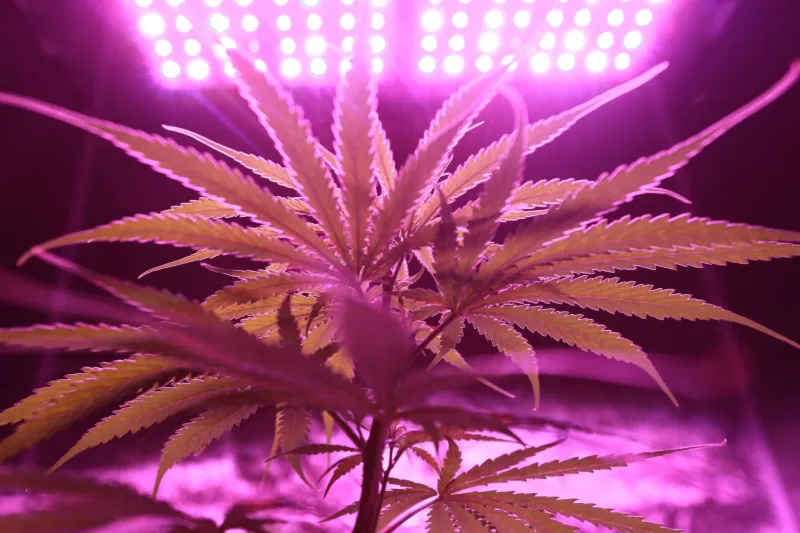
The fantasy is pretty easy to picture: a couple of healthy plants tucked in a spare bedroom, yielding fat, fragrant buds every few months, saving you hundreds of dollars a year and giving you total control over what goes into your body. It sounds like the ultimate cannabis consumer power move.
And sometimes it is. But sometimes it's also an expensive hobby that produces mediocre weed and costs you more in time, electricity, and equipment than you'd ever spend just shopping smart at a dispensary.
The truth, as usual, lives in the details. Let's actually run the numbers — and be honest about the stuff most grow guides conveniently skip.
First Things First: Is It Even Legal Where You Live?
Before you spend a single dollar on seeds or equipment, you need to know your state's cultivation laws. This is non-negotiable.
As of 2024, home cultivation of cannabis for personal use is legal in many — but not all — adult-use states. Here's a quick rundown of the general landscape:
States that allow home cultivation for adults (typically 2-6 plants): Alaska, Arizona, California, Colorado, Illinois, Maine, Massachusetts, Michigan, Missouri, Montana, Nevada, New Mexico, New York, Oregon, Vermont, Virginia, and Washington D.C., among others. Plant limits and rules vary — always verify your specific state's current statute.
States where adult-use is legal but home growing is restricted or prohibited: Some states with legal recreational markets — notably New Jersey and Washington State — either ban or significantly restrict home cultivation. This is more common than most people realize.
Medical-only states: Several states allow home cultivation only for registered medical patients, often with stricter plant counts and documentation requirements.
States where it's still fully illegal: Growing cannabis at home in states without any legal framework is a criminal offense. Federal law still classifies cannabis as a Schedule I substance, which means even in legal states, there are theoretical federal risks — though enforcement at the personal cultivation level is rare.
Bottom line: Google your state's specific statute before anything else. Laws change, and local municipal rules can layer on top of state law in ways that complicate things further.
The Real Startup Costs of Growing at Home
Here's where a lot of first-time growers get surprised. The equipment to do this properly isn't cheap — and "doing it properly" is the difference between a successful harvest and a frustrating, expensive failure.
Indoor grow setup (basic to mid-range):
- Grow tent (4x4 is a common starter size): $100–$250
- LED grow light (quality matters enormously here): $150–$600
- Ventilation system, carbon filter, inline fan: $100–$200
- Growing medium, pots, and drainage: $50–$100
- Nutrients and pH management supplies: $80–$150
- Thermometer, hygrometer, timer: $30–$60
- Seeds or clones: $10–$20 per seed for quality genetics; clones vary by region
Realistic all-in startup cost for a proper indoor setup: $600–$1,400+
That's before your first harvest. And your first harvest will almost certainly be your worst — most growers need two or three runs before they start producing flower that's genuinely competitive with what's on a dispensary shelf.
Ongoing costs to factor in:
- Electricity: A 600-watt light running 18 hours a day through veg and 12 hours through flower adds real money to your power bill. Depending on your state's electricity rates, expect $30–$80/month in additional energy costs per light.
- Nutrients and supplies: $20–$50 per grow cycle
- Replacement equipment over time: ballasts burn out, filters need replacing, pots crack
What Does a Realistic Yield Actually Look Like?
The internet is full of grow journals claiming 4-ounce yields per plant on a first run. Take those with a massive grain of salt.
A realistic first-time indoor grower, with decent genetics and a proper setup, might pull 1–2 ounces per plant. Experienced growers with dialed-in environments and optimized techniques can hit 3–5 ounces per plant or more. Outdoor grows in ideal climates can produce significantly higher yields, but come with their own complications — weather, pests, visibility to neighbors.
Let's run a simple scenario:
- You grow 2 plants indoors (legal limit in many states)
- You yield a combined 4 ounces after 4 months (veg + flower)
- You spent $1,000 on startup and $150 on ongoing costs for that cycle
- Your cost per ounce: roughly $287
Compare that to a mid-shelf dispensary ounce in your state. In Colorado, California, or Oregon, you can regularly find quality ounces for $100–$180. In states with less market competition, prices run higher — which is exactly where home growing starts to make more financial sense.
When Home Growing Actually Wins
Despite the startup costs, there are real scenarios where growing your own makes solid financial and practical sense:
You consume a lot. If you're going through 2+ ounces a month, the math shifts significantly in your favor after the first year. Your equipment is a sunk cost; your ongoing expenses per ounce drop considerably.
You live in a high-price market. States with limited dispensary competition, high taxes, or medical-only frameworks often have retail prices that make home cultivation economically sensible much faster.
You care deeply about what's in your cannabis. Home growing gives you complete control over nutrients, pesticides, and cultivation practices. For consumers with specific health needs or strong preferences for organic cultivation, this is worth real money.
You enjoy the process itself. This is underrated. For a lot of home growers, the hobby is the point. Growing cannabis is genuinely engaging — it teaches you plant biology, demands attention and care, and produces something tangible. If you enjoy it, the "cost" calculus changes entirely.
When Buying Smart Beats Growing Your Own
For plenty of consumers, a strategic dispensary shopping routine is the smarter play:
- You consume moderately (under an ounce a month)
- You live in a competitive legal market with reasonable prices
- You don't have space, privacy, or a stable living situation for a grow
- You want variety — different strains, formats, and products — that a personal grow can't provide
- You travel frequently or have an unpredictable schedule
The "smart buyer" strategy involves things like buying in bulk during sales, building a relationship with a trusted budtender, knowing which brands consistently deliver quality, and using loyalty programs most dispensaries now offer. Done right, a strategic shopper in a mature market can maintain a quality supply for significantly less than the sticker price suggests.
The Honest Verdict
There's no universal right answer here. Home cultivation is genuinely rewarding for the right person in the right situation — but it's not the automatic money-saver it's often portrayed as, especially in the first year.
Run your own numbers. Factor in your state's laws, your consumption habits, your living situation, and honestly, your patience level. Growing cannabis well takes real attention and a willingness to learn from mistakes.
If you've got the space, the legal green light, and the curiosity — there's nothing quite like smoking something you grew yourself. But if you're just chasing the cheapest ounce, your local dispensary's weekly deals might already have you covered.