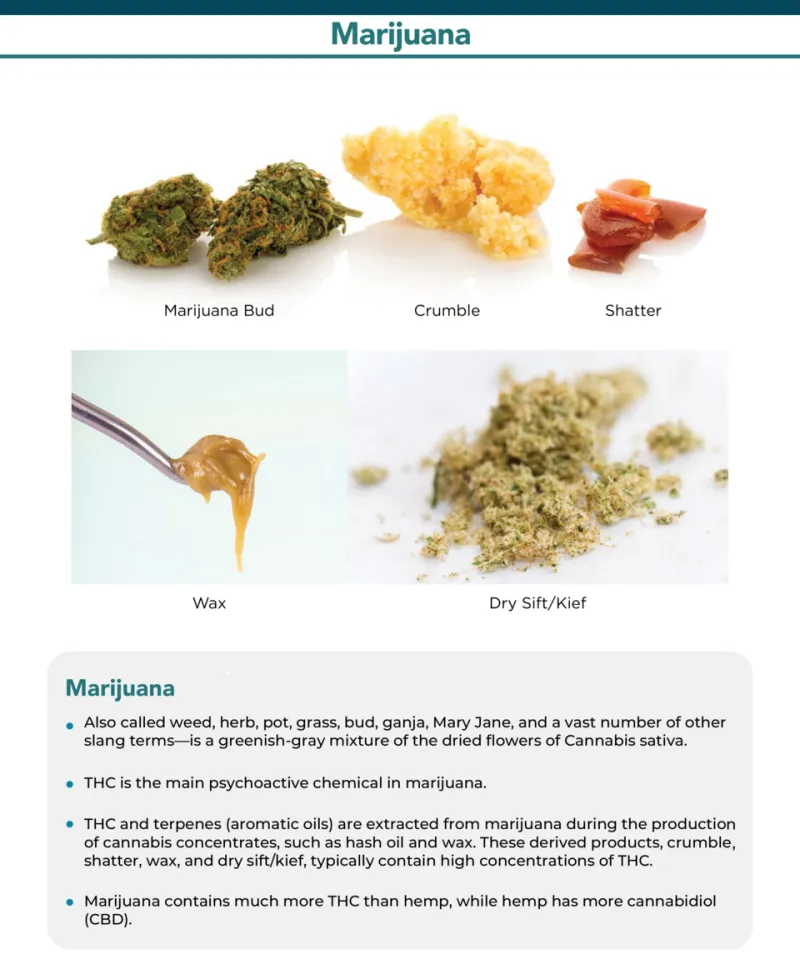
So You Finally Walked Into a Dispensary — Here's Why It Probably Didn't Go the Way You Planned
Photo: Richard Ellis, Public domain, via Wikimedia Commons
You'd been curious for a while. Maybe a friend raved about it. Maybe you'd read something online about how legal weed was changing the game. So you finally did it — walked through those glass doors, took in the sleek displays and the clinical-but-chill vibe, and prepared to have your mind blown.
Then you got home, tried whatever the budtender handed you, and thought: that's it?
You're not alone. First legal cannabis purchases disappoint way more people than the industry likes to admit. And it's almost never the weed's fault — it's a mismatch between expectation, education, and execution. Let's untangle what actually goes wrong and how to fix it before your next trip.
The Menu Is a Trap (If You Don't Know How to Read It)
Walking into a modern dispensary for the first time is a little like landing in a foreign country where everyone speaks English but nothing quite makes sense. Hundreds of products. Dozens of strains. Tinctures, gummies, vapes, flower, pre-rolls, live resin, distillate — and a menu that assumes you already know the difference.
Most first-timers do one of two things: they freeze up and just grab whatever the budtender suggests, or they anchor on the one piece of data they recognize — THC percentage — and assume higher means better. Both moves tend to backfire.
THC percentage is genuinely one of the least reliable indicators of how a product will actually feel. A 28% flower can hit you like a freight train or barely register, depending on your tolerance, your metabolism, how you consume it, and a dozen other variables. Meanwhile, a 19% strain with a rich terpene profile might be exactly what you needed. The number on the label is marketing as much as it is science.
The fix: Before you go, spend fifteen minutes researching the difference between indica-leaning, sativa-leaning, and hybrid strains — not because those labels are perfect (they're not), but because they give you a starting vocabulary. Then shift your focus to terpenes. Myrcene tends toward relaxation. Limonene leans uplifting. Pinene can sharpen focus. Ask your budtender which strains are high in the terpenes that match your goal, not just which ones are most popular.
Sticker Shock Is Real and Nobody Prepares You for It
Legal cannabis is expensive. There's no way to sugarcoat that. Between state excise taxes, local municipality fees, compliance costs, and retail markup, you can easily drop $60 on an eighth of flower in states like California or Illinois. That same amount might've cost a fraction of that elsewhere — and that gap stings, especially when the experience doesn't land the way you hoped.
What makes it worse is that price doesn't reliably predict quality at the dispensary level. A $70 jar of premium small-batch flower and a $35 house brand might offer nearly identical experiences for a newcomer. The premium product isn't a scam — it often reflects craft growing practices and superior inputs — but for someone who doesn't yet have the palate to appreciate those differences, it can feel like throwing money away.
The fix: Ask specifically about value-tier options. Most dispensaries carry house brands or budget-friendly lines that are genuinely solid for new consumers. Don't be embarrassed to say you're new and watching your budget — a good budtender will respect that and steer you toward something that actually makes sense for where you're starting.
Potency Miscalibration: The Real Reason Your First Time Felt Off
Here's the scenario that plays out constantly: someone buys a high-THC product, uses too much because they feel nothing at first, and then gets hit with a wave of anxiety or paranoia that makes them swear off cannabis for months. Or the opposite — they're so cautious they barely use any and feel absolutely nothing, concluding that weed just doesn't work for them.
Both outcomes stem from the same root issue: no baseline. Without knowing how your specific body responds to cannabinoids, you're essentially flying blind. And unlike alcohol, where most people have years of social calibration behind them, cannabis tolerance and sensitivity vary wildly from person to person.
Edibles compound this problem dramatically. The standard 5mg serving that a dispensary might sell as a beginner dose can feel like nothing to one person and like a full-on psychedelic experience to another — and the delayed onset (anywhere from 45 minutes to two hours) means people often double up before the first dose has even kicked in.
The fix: Start embarrassingly low. If you're trying flower for the first time, take one small hit and wait twenty minutes. One. With edibles, start at 2.5mg if you can find it, or split a 5mg gummy. Give it a full two hours before you even consider more. It sounds overly cautious, but setting your baseline with a gentle first experience means you'll actually enjoy the process of finding your sweet spot instead of getting scared off.
The Budtender Relationship Is Underused
Budtenders are not just cashiers. The good ones are genuinely knowledgeable, and they talk to dozens of customers a day — including plenty of first-timers. They've seen what works and what doesn't. The problem is that most new customers are either too self-conscious to admit they don't know what they're doing, or they assume the budtender is just going to upsell them.
Some will. But most dispensaries train their staff to prioritize customer experience, because repeat business is everything in a competitive legal market. A customer who has a bad first experience doesn't come back.
The fix: Be completely honest about your goals and your experience level. Tell them what you're hoping to feel — relaxed but functional, sleepy, creative, pain-relieved, whatever it is. Tell them you're new. Ask them what they personally recommend for someone in your situation. That conversation will get you further than any amount of pre-trip research.
Managing Expectations Is Actually the Whole Game
Part of why the first dispensary visit disappoints is that the legal cannabis industry has done an extraordinary job of marketing itself as transformative. And sometimes it is! But cannabis isn't a magic button. It's a plant with a complex chemical profile that interacts differently with every human nervous system.
For some people, the first experience is immediately positive. For others, it takes several tries with different products and methods before something really clicks. That's normal. It doesn't mean you're doing it wrong or that cannabis isn't for you.
The legal market has given us something genuinely valuable: consistency, safety testing, and access to a range of products that let you actually dial in your experience over time. That's worth something, even when the first trip feels underwhelming.
Give yourself permission to treat it as a process rather than a single event. Take notes after each session — what you used, how much, what you felt. Adjust from there. The people who find their groove with legal cannabis are almost always the ones who approach it with curiosity instead of expectation.
Your perfect product is probably already sitting on a shelf at your local dispensary. You just might need a couple of tries to find it.